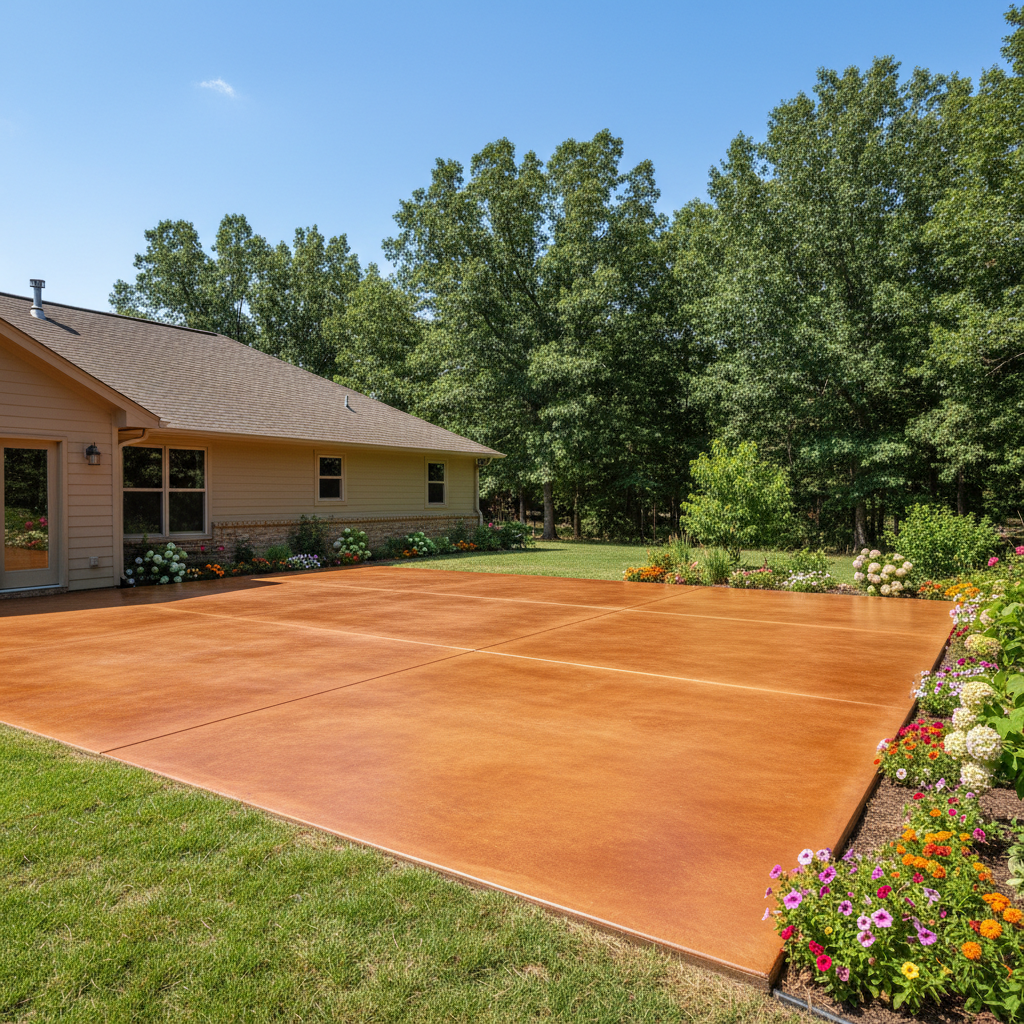
So, you've got some stained concrete, maybe a patio, a driveway, or even an indoor floor. It looks fantastic, right? That rich color and unique finish really add a lot of character. But here in Broken Arrow, our weather can be pretty brutal on just about anything outdoors. From those scorching summer days to icy winters, and don't forget the humidity, it all takes a toll. You want that investment to last, and I'm here to tell you how to make it happen.
Extending the Life of Your Stained Concrete
The biggest thing you can do to protect your stained concrete is proper sealing. When we stain concrete, we're essentially changing the color of the concrete itself, not just painting a layer on top. But that color needs protection. A good quality sealer acts like a shield, preventing moisture, dirt, and UV rays from fading or damaging the finish. Think of it like sunscreen for your concrete.
For outdoor stained concrete, especially something like a pool deck or a patio that gets direct sun and rain, you'll want to reapply a quality sealer every 2-3 years. Sometimes even sooner if it's a high-traffic area or gets constant exposure to the elements. Indoor stained floors might only need resealing every 5-7 years, depending on wear and tear. You can usually tell it's time when the surface starts to look dull or water doesn't bead up on it anymore.
Another tip? Use felt pads under furniture legs, especially if you've got stained concrete indoors. Dragging chairs or tables can scratch the sealer, and over time, that can expose the stained concrete underneath to wear.
Regular Maintenance: What You Need to Do
Keeping your stained concrete clean is probably the simplest and most effective maintenance step. For outdoor surfaces, a good sweep with a broom regularly to get rid of loose dirt, leaves, and debris is key. Then, a rinse with a garden hose. If you need a deeper clean, a mild, pH-neutral cleaner mixed with water and a soft-bristle brush or mop works wonders. Stay away from harsh chemicals like bleach, ammonia, or anything acidic. Those can strip the sealer and even damage the stain itself. You don't want to undo all that good work.
For indoor stained concrete, regular sweeping or vacuuming is a must. Mop with a pH-neutral cleaner, just like outdoors. Spills should be cleaned up quickly, especially things like oil, grease, or acidic foods. Our red Oklahoma clay can also be a real pain if tracked indoors, so a good doormat at every entrance helps a lot.
During winter, if you're dealing with ice on an outdoor stained surface, be careful with de-icing products. Many common de-icers contain salts that can be corrosive to concrete and its sealer. Look for de-icers that are specifically labeled as concrete-safe or use plain sand for traction. Better yet, just shovel it promptly.
Warning Signs You Might Have a Problem
You're probably wondering what to look out for. Here are a few things that tell you your stained concrete might need some attention:
- Fading or dullness: If the vibrant color you loved is starting to look washed out or just not as rich, that's a big sign your sealer is wearing thin.
- Water absorption: Pour a little water on the surface. If it soaks in rather than beading up, your sealer isn't doing its job anymore.
- Peeling or flaking: This usually means the sealer wasn't applied correctly initially, or it's just completely failed. This isn't super common with stained concrete itself, but rather with the protective topcoat.
- Cracks: Hairline cracks are pretty normal for concrete over time, especially with our expansive clay soils here in Broken Arrow that can shift. But if you see larger, widening cracks, or pieces breaking off, that's a more serious issue.
- Stains that won't come out: If a spill penetrates the surface and leaves a permanent mark, it means the sealer has failed in that spot.
When to Call a Professional
Look, a lot of the regular cleaning and resealing you can handle yourself if you're comfortable. But there are times when it's best to bring in the pros. If you're seeing extensive peeling or flaking, or if the cracks are more than just minor surface checks, that's when you should pick up the phone. Repairing significant damage, re-staining faded areas, or completely stripping and re-sealing a large area can be complex. You want it done right to protect your investment.
Sometimes, people try to fix a peeling sealer themselves and end up making it worse, creating an uneven finish or further damaging the concrete. That's when C&T Concrete Supplies, LLC can step in. We've seen it all, and we know how to assess the damage and recommend the right solution, whether it's a simple reapplication or a more involved repair. Don't let small issues turn into big, expensive problems. A little proactive care goes a long way in keeping your stained concrete looking fantastic for years to come.