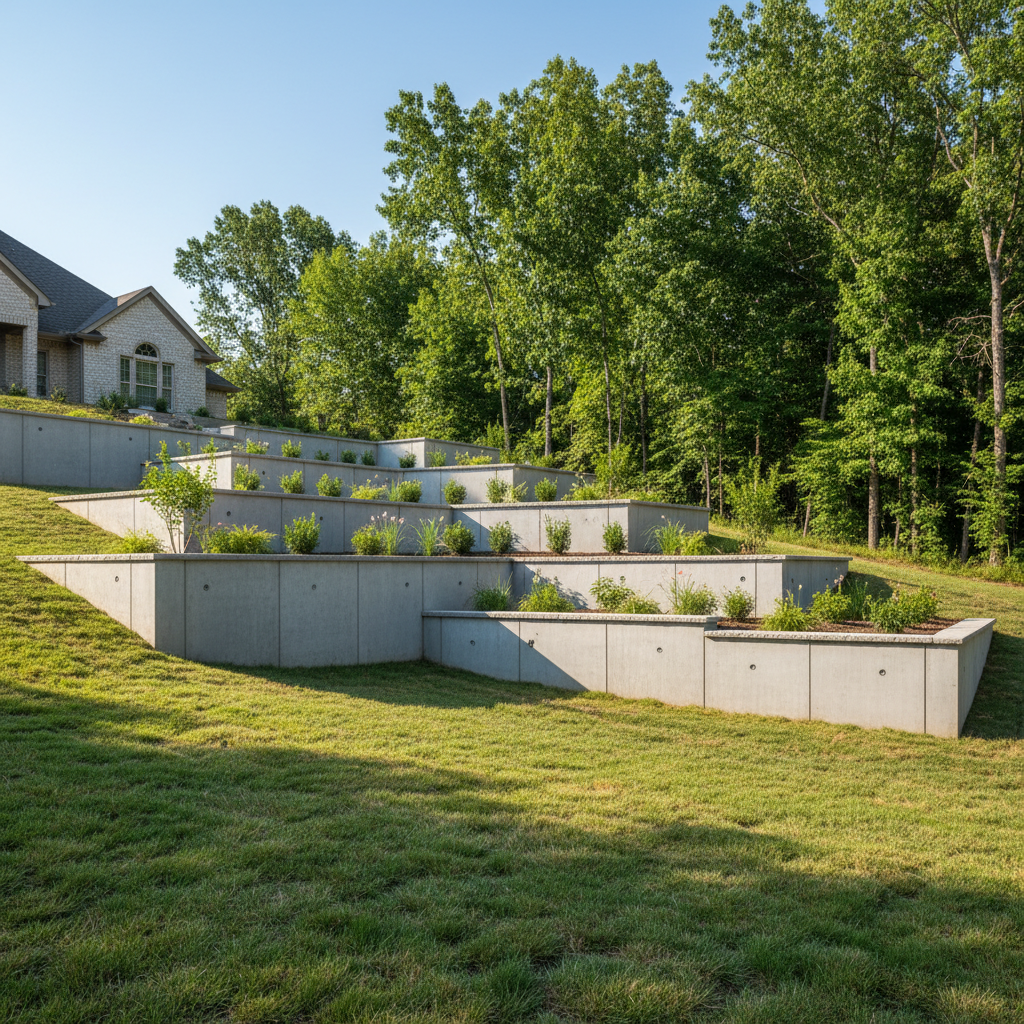
So, you're thinking about putting in a concrete retaining wall? Maybe your yard slopes a bit, or you're just trying to carve out some flat space for a patio or a garden. Good idea – a well-built concrete retaining wall can really change your property for the better. It adds function, sure, but also boosts that all-important curb appeal. Before you dive in, though, let's chat about how to plan this whole thing so it goes smoothly, without any nasty surprises.
Understanding Your Project Timeline
First things first: don't expect this to happen overnight. Building a concrete retaining wall involves a few different stages, and each one takes its own sweet time. You're probably looking at a timeline that stretches from a few weeks to maybe a couple of months. That's from your first call to the final inspection, and it really depends on how big and complicated the wall is, plus how busy contractors are right now in Broken Arrow.
Here’s a rough idea of how it usually breaks down:
- Initial Chat & Design: This is when you meet with a contractor. You'll talk about what you need, and they'll check out your property. They'll figure out things like drainage, what kind of dirt you have, and how tall the wall needs to be. This part can take a week or two, especially if you need engineering drawings for a bigger wall.
- Getting Permits: This is a big deal. For most retaining walls over a certain height (often four feet, but always double-check with the City of Broken Arrow's planning department), you'll need a permit. That process can drag on anywhere from a couple of weeks to more than a month. Seriously, don't skip it; it protects you and makes sure the wall is built right.
- Getting Materials: Once the plans get the green light, your contractor will order everything. Concrete, rebar, drainage pipes – sometimes there are waits for these, especially if you need something special.
- Building It: The actual construction time really varies. A smaller, simpler wall might be done in just a few days, but a larger, more complex one could easily take a couple of weeks.
- Curing: Concrete needs time to harden properly. While you can often use the area around it pretty quickly, it won't hit its full strength for about 28 days. Patience, right?
What to Expect During the Process
Okay, so you've got a contractor lined up and your permits are in hand. What happens next?
First, get ready for some serious digging. Excavation is absolutely critical for a stable foundation. They'll dig a trench for the footing, which is basically the base that holds the wall up. If you're in a spot with a lot of clay soil, like some parts of Broken Arrow, planning for proper compaction and drainage becomes even more important to avoid problems down the road.
Next, you'll see rebar going in. This steel reinforcement is what gives concrete its incredible strength, especially for retaining walls that are holding back tons of dirt. Don't let anyone tell you it's optional for a structural wall, because it's not.
Then comes the formwork. These are the temporary molds that hold the wet concrete until it sets. They need to be super strong and placed just right to make sure your wall ends up straight and level.
Pouring the concrete is usually a quick, intense process. A concrete truck will show up, and the crew will work fast to get the concrete into those forms. After that, it's all about finishing the top surface and letting it cure.
Finally, once the forms come off, they'll start backfilling. This means carefully putting soil and drainage material behind the wall. Good drainage? Non-negotiable for a retaining wall's long life. We always make sure to include proper drainage solutions here at C&T Concrete Supplies, LLC, because, well, we've seen what happens when people cut corners.
How to Prepare Your Property
You can actually help make the whole process smoother. Clear the work area of any plants, outdoor furniture, or anything else that might get in the way. If you have underground sprinkler lines or invisible dog fences, mark them clearly or just tell your contractor exactly where they are. This prevents accidental damage and helps keep the project on schedule, which everyone wants.
Also, think about access for equipment. Can a concrete truck and other machinery get to the work site easily? If not, talk to your contractor upfront so they can plan accordingly – maybe they'll need a concrete pump or other specialized gear.
Questions to Ask Before You Sign
Don't be shy about asking questions. This is a big investment, after all, and you deserve to feel good about your choice of contractor. Here are some key ones:
- Can you give me references from recent retaining wall projects you've done?
- What's your experience with the specific soil conditions we have here in Broken Arrow?
- Do you handle all the necessary permits, or is that something I need to do?
- What kind of drainage system are you planning to put in behind the wall?
- What's your warranty on the work, for both the materials and the labor?
- What's the payment schedule like? When are deposits due, and when do I pay the rest?
- What are the estimated start and completion dates, and what kinds of things could cause delays?
- What happens if you hit an unexpected utility line or a big rock during excavation? How do you handle that, and who pays for it?
- Will you clean up the site thoroughly once the project is finished?
Asking these questions upfront will help you steer clear of misunderstandings and ensure you're working with a reputable, experienced contractor. A good contractor will actually welcome your questions and be totally transparent about the whole process. We certainly are at C&T Concrete Supplies, LLC. We want you to be happy with your new retaining wall for years to come.