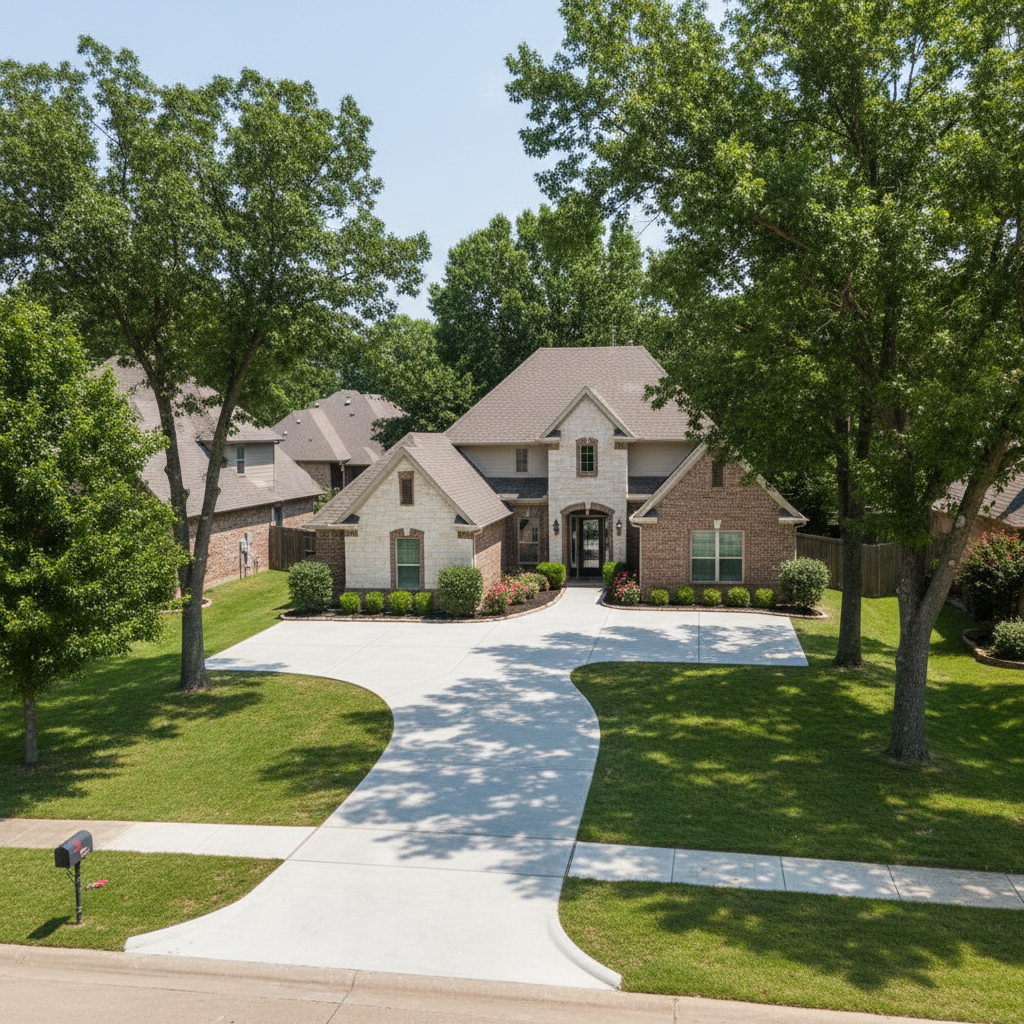
You're looking at your cracked driveway or that sad patch of grass where a patio should be, and you're thinking, "It's time for some new concrete." Good call. Concrete flatwork – that's driveways, patios, sidewalks, garage floors – it's a big part of making your home functional and looking good. But around Broken Arrow, it ain't always as simple as pouring some mud.
Why Broken Arrow Concrete is Different
We've got some unique challenges here that folks in other parts of the country don't always deal with. For one, our soil. We're sitting on a lot of clay, especially in neighborhoods like those west of the Creek Turnpike. That clay expands when it gets wet and shrinks when it dries out. This constant movement, what we call 'expansive soil,' can wreak havoc on concrete if it's not prepped right. You see it all the time – driveways with big cracks or patios that have settled unevenly. It's not always because of bad concrete; sometimes it's because the ground underneath wasn't handled properly.
Then there's our weather. We get those scorching summers, followed by freezing winters, and a good dose of heavy rain and ice in between. That freeze-thaw cycle is brutal on concrete. Water seeps into tiny cracks, freezes, expands, and makes those cracks bigger. If you don't use the right mix and proper curing techniques, your concrete won't stand a chance against Mother Nature here.
Common Projects We See Around Here
Most of the calls we get at C&T Concrete Supplies, LLC for flatwork are for a few key things:
- Driveway Replacements: This is a big one. Old, cracked driveways aren't just an eyesore; they can be a tripping hazard and even damage your car's suspension. A new driveway, properly installed, adds curb appeal and value.
- Patios and Outdoor Living Spaces: Everyone wants a great outdoor space. Whether it's a simple slab for a grill or a large, decorative patio for entertaining, concrete is the foundation. We've seen a lot of homeowners in newer developments like Stone Creek or Forest Ridge really invest in their backyards.
- Sidewalks and Walkways: Connecting your driveway to your front door, or creating paths through your garden. These need to be safe and durable.
- Garage Floors: Sometimes a garage floor needs more than just a patch job. A new, level, and strong garage floor can make a huge difference in your workspace.
What Goes Into a Quality Job?
It's not just about pouring concrete. There's a whole process that determines how long your flatwork will last and how good it'll look:
1. Proper Site Prep: This is probably the most critical step, especially with our clay soil. You've got to excavate correctly, get rid of organic material, and compact the sub-base thoroughly. Sometimes we recommend a layer of granular fill, like crushed rock, to act as a buffer between the concrete and that expansive clay. Don't skip this. Ever.
2. Reinforcement: We almost always use rebar or wire mesh in our flatwork. It doesn't prevent cracking entirely, but it holds the concrete together if it does crack, preventing those big, ugly separations. For driveways, you really want rebar.
3. The Right Concrete Mix: You need a strong mix, usually 3000-4000 psi, with the right air entrainment for our freeze-thaw cycles. This makes the concrete more durable and resistant to surface damage from water and ice.
4. Proper Pouring and Finishing: Getting the right slump, pouring evenly, and then skilled finishing work – floating, troweling – that's where the art comes in. You want a smooth, consistent finish that drains well.
5. Control Joints: Concrete will crack. It's a fact of life. Control joints are cuts made into the fresh concrete that tell it *where* to crack. This way, the cracks are straight, neat, and much less noticeable. If a contractor tries to tell you they can pour concrete that won't crack, they're not being honest with you.
6. Curing: This is often overlooked but it's vital. Concrete doesn't just dry; it cures. Keeping it moist for several days after the pour allows it to reach its full strength. We use curing compounds or sometimes just keep it wet. Skipping this step leads to weaker, more brittle concrete that's prone to cracking.
Why Local Expertise Matters
You can hire any contractor, but one who knows Broken Arrow – who understands our soil, our weather patterns, and what works best here – that's invaluable. We've seen what happens when shortcuts are taken, or when a crew from out of town doesn't understand the local conditions. You end up with concrete that fails prematurely, costing you more money and headaches down the road.
When you're looking for someone to do your concrete flatwork, ask them about their process, especially their sub-base prep and curing methods. A good local contractor will be happy to explain it all to you. We're proud of the work we do for our neighbors right here in Broken Arrow, and we want your concrete to last for decades, not just a few years.